

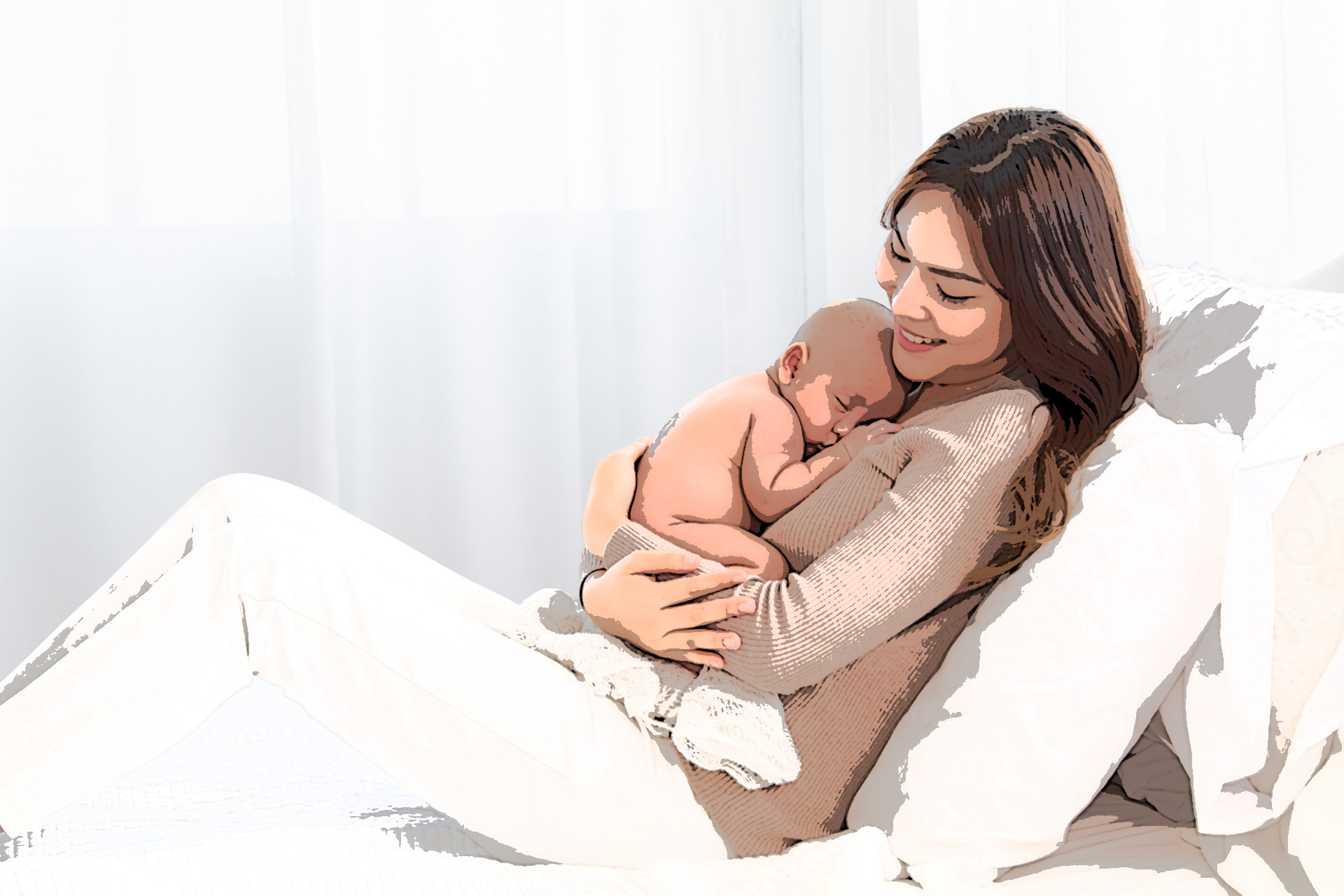
Pregnancy has a different impact on each person’s body, and these differences should always be an important factor for patients who are considering post-pregnancy surgery. For Asian women, the postpartum experience comes with a specific set of concerns that is not always addressed in general plastic surgery consultations. Differences in skin healing, body composition, fat distribution and aesthetic aims all influence which procedures are included and how they are performed.
At Asian Plastic Surgery in Sydney, these are the conversations we have every day. Dr Ellis Choy, Specialist Plastic Surgeon, has a clinical focus on breast and body surgery for Asian patients, and consultations are structured around helping you understand how your anatomy and healing characteristics affect your surgical options. We will cover in more detail what you should know before considering post-pregnancy body contouring as an Asian patient and how you can plan for your surgery and recovery.
How Pregnancy Changes the Asian Body
During pregnancy, the abdominal wall stretches to make more room for the growing uterus. As it does this, the rectus abdominis muscles often separate along the midline. Some women heal well after pregnancy and these muscles return to their original position. Other women still have some degree of separation even years after childbirth. The prevalence of diastasis recti is high. A study performed at Chengdu Women's and Children's Central Hospital between 2019 and 2025 found that 65.6% of those Chinese women who were studied had some degree of muscle separation.
Pregnancy can also affect breast volume, skin elasticity, fat distribution and breast position. There are often changes in labial tissue, and fat may redistribute to areas like the belly or thighs, areas which do not always respond to dieting or nonsurgical methods of removal.
Why Ethnicity Matters in Post-Pregnancy Surgery
Skin Thickness, Elasticity and Fat Distribution
Asian women have differences in subcutaneous fat distribution and skin characteristics that are important when planning a post-pregnancy contouring surgery. Body frame sizes are also often smaller, which affects how implants are selected for breast augmentation. Because a surgical plan made for a patient with a different body type and skin quality will not produce the same outcome, it is important to work with a surgeon who regularly treats Asian patients and understands these variations. Dr Choy accounts for these differences during his surgical planning.
Scarring Tendencies in Asian Skin
Scar formation is a clinically relevant difference between ethnic groups when it comes to surgery. Asian skin carries a higher risk of developing hypertrophic scars and keloids compared to Caucasian skin.
Procedures like abdominoplasty and breast surgery involve incisions that produce scars, and the risk of raised or widened scarring must be factored into incision planning. Dr Choy places incisions in locations that can be concealed under clothing and carefully considers each patient’s personal and family history of scarring before surgery.
For more on this topic, read our detailed page on scar management after Asian breast augmentation.
Aesthetic Preferences and Cultural Considerations
The proportions a patient wants to restore after pregnancy depend on personal preferences that are often shaped by cultural context. At Asian Plastic Surgery, surgical planning is based on what each individual patient is looking for instead of automatically adhering to traditional, Western standards. Dr Choy discusses these preferences during consultation so that the recommended procedures and their specifics, such as implant size or the degree of tissue repositioning, are chosen based on what the patient is looking for and what will fit their body.
What Nonsurgical Methods Can and Cannot Address After Pregnancy
After pregnancy, it is reasonable to try non-surgical approaches first. Physiotherapy, core rehabilitation, regular movement and a healthy nutrition plan can address some postpartum changes, and nonsurgical treatments can provide moderate skin tightening and fat reduction. However, there are times when there is too much loose skin or muscle separation to be addressed nonsurgically. Significant diastasis recti, where the connective tissue along the linea alba has stretched beyond its ability to recover, cannot be closed through exercise. The same applies to excess skin that has lost its elasticity and will not retract regardless of weight loss or fitness level.
Common Procedures in Asian Post-Pregnancy Body Contouring
- Abdominoplasty: This surgery removes excess abdominal skin and repairs separated abdominal muscles. The incision is placed low on the abdomen so it can be hidden beneath underwear or swimwear.
- Breast Surgeries: Dr Choy may recommend breast augmentation, breast lift or both, depending on whether you have lost volume, developed ptosis (sagging), or both. These are separate concerns requiring different surgical approaches.
- Liposuction: Liposuction surgery removes localised fat deposits that persist despite a stable weight and regular exercise. It can be performed alone or combined with abdominoplasty. Fat removed through liposuction can also be purified and transferred to other areas through fat grafting.
What to Know About Scars After Body Contouring on Asian Skin
- Incision Placement Is Planned Around Concealment: Dr Choy positions incisions in areas that can be hidden under clothing, with attention to how Asian skin heals in different anatomical zones.
- Hypertrophic and Keloid Scars Are More Likely in Asian Patients: A family history of raised scarring is something Dr Choy will ask about before planning your procedure.
- Post-Surgical Scar Treatments Can Reduce Visibility: Asian Plastic Surgery refers patients to AF Aesthetics for laser therapy, microneedling and topical therapies.
- Scars Continue to Mature for 12 to 18 Months: The appearance of a scar at six weeks is not representative of its final appearance.
For a full overview of surgical risks, visit our Risks and Complications page.
When to Consider Post-Pregnancy Body Contouring
Post-pregnancy body contouring should not be considered until you have finished breastfeeding, your weight has been stable for at least three to six months and a minimum of six months has passed since your most recent delivery. If you are planning additional pregnancies, it is generally recommended that you wait until after your last pregnancy since additional pregnancies can reverse surgical results.
Find Out More About Post-Pregnancy Body Contouring in Sydney
Your consultation at Asian Plastic Surgery will include a physical examination and a discussion about which procedures are appropriate for your anatomy. Dr Choy will explain where incisions will be placed, what the recovery period involves and what results are realistic.
This is also the time to ask about how your scarring tendencies will affect the surgical plan, whether your procedures should be combined or staged and what scar management options will be available to you after surgery. The practice has clinic locations in Sydney, including Northbridge and Cabramatta West, as well as Coffs Harbour.
To view surgical results, visit our patient gallery. To request a consultation, contact Asian Plastic Surgery or call +61 2 8962 9388.
